- Home
-
Sellers
-
Meet the Team
-
North Idaho Lifestyle
-
Tools for Success
- Success Stories
- Contact Us
Spokane River living, an emerging downtown, new construction, prairie acreage, and easy access to both Coeur d’Alene and Spokane.
Post Falls is where the Spokane River, new growth and everyday convenience all come together. The river runs directly through town, Coeur d’Alene is only about 9 miles east, Spokane is roughly 25 miles west, and new neighborhoods, restaurants and commercial areas continue to reshape the city.
What makes Post Falls interesting is that it doesn't have just one personality. You can live on the Spokane River, buy newer construction on the prairie, find an established neighborhood close to town, or cross south of the river toward Riverview Drive and Cougar Gulch where the landscape becomes wooded, hilly and considerably more rural.
Post Falls works especially well for people who want access to both Idaho and Spokane without giving up the North Idaho outdoor lifestyle.
Quick Fact | What to Know |
|---|---|
Location | Post Falls is in Kootenai County, along the Spokane River between Coeur d’Alene, Idaho and Spokane, Washington. |
Population | 46,715 residents as of the July 1, 2025 U.S. Census Bureau estimate—approximately 21% growth since 2020. |
Coeur d’Alene Access | Downtown Coeur d’Alene is about 9–10 miles east, generally around a 12-minute drive in light traffic. |
Spokane Access | Downtown Spokane is approximately 25 miles west, making Post Falls one of North Idaho’s most convenient cities for Spokane-side employment and services. |
Spokane International Airport | Spokane International Airport (GEG) is approximately 31 miles away, generally around a 35-minute drive without heavy traffic. |
Spokane River | The river runs directly through Post Falls, creating waterfront homes, parks, trails, swimming, boating, fishing and dramatic views of the falls and dam. |
New Growth | Post Falls continues to add new construction, mixed-use development, retail, restaurants and residential neighborhoods, particularly along Highway 41, Prairie Avenue and the City Center area. |
Hospital & Medical Care | Northwest Specialty Hospital is located in Post Falls, with additional major medical services available nearby in Coeur d’Alene. |
Trails | Approximately 10 miles of the 23-mile North Idaho Centennial Trail run through Post Falls, connecting west toward Washington and east toward Coeur d’Alene. |
Dog-Friendly Recreation | Several city parks and trails welcome leashed dogs, including Black Bay Park, Falls Park, Corbin Park and the Post Falls Community Forest. |
Post Falls’ latest Census estimate of 46,715 represents about 21% growth from the 2020 estimate base, one of the clearest indicators of how quickly the community has changed.
Updated September 2026
Post Falls is currently one of the more active and varied housing markets in Kootenai County. Riverfront homes, newer subdivisions, established neighborhoods and acreage should be treated as separate micro-markets rather than judged by one citywide number.
Market Indicator | August 2026 |
|---|---|
Median listing price | $593,500 |
Median sold price | $579,057 |
Median price per sq. ft. | $317 |
Median days on market | 34 days |
Sale-to-list ratio | 99% |
Market conditions | Buyer’s market |
Source: Realtor.com Economic Research, August 2026
Zillow reported a typical Post Falls home value of $533,761 as of July 31, 2026, up 2.3% year over year, with 249 homes for sale.
After 30 years in real estate, I think Post Falls is a market where location inside the city matters much more than people expect. A waterfront home along the Spokane River, a new home on the prairie, an established neighborhood near the city center and acreage south of the river toward Riverview Drive and Cougar Gulch may all have a Post Falls address—but they offer completely different lifestyles.
What I particularly like about Post Falls is that you can choose how connected you want to be. You can be minutes from I-90 and everything happening between Coeur d’Alene and Spokane, or cross the river and suddenly feel like you’ve left the city behind.
Post Falls has several distinct real estate personalities, and understanding them is much more useful than simply searching by ZIP code.
That range is one reason I don’t think of Post Falls as simply a suburban alternative to Coeur d’Alene. It has its own geography and its own choices.
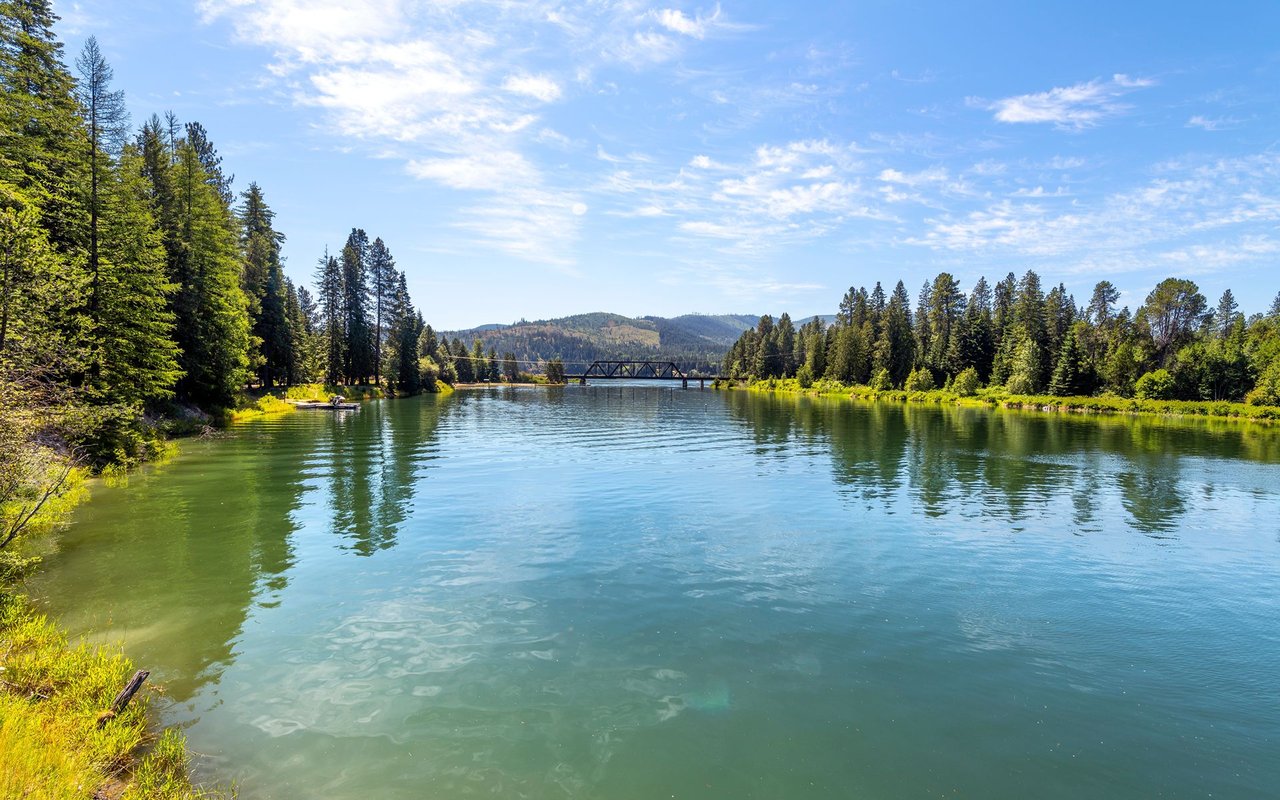
The Spokane River is the defining natural feature of Post Falls. It runs directly through the city and creates waterfront homes on both sides of the river, river-view neighborhoods, parks, beaches, fishing, boating and miles of recreation.
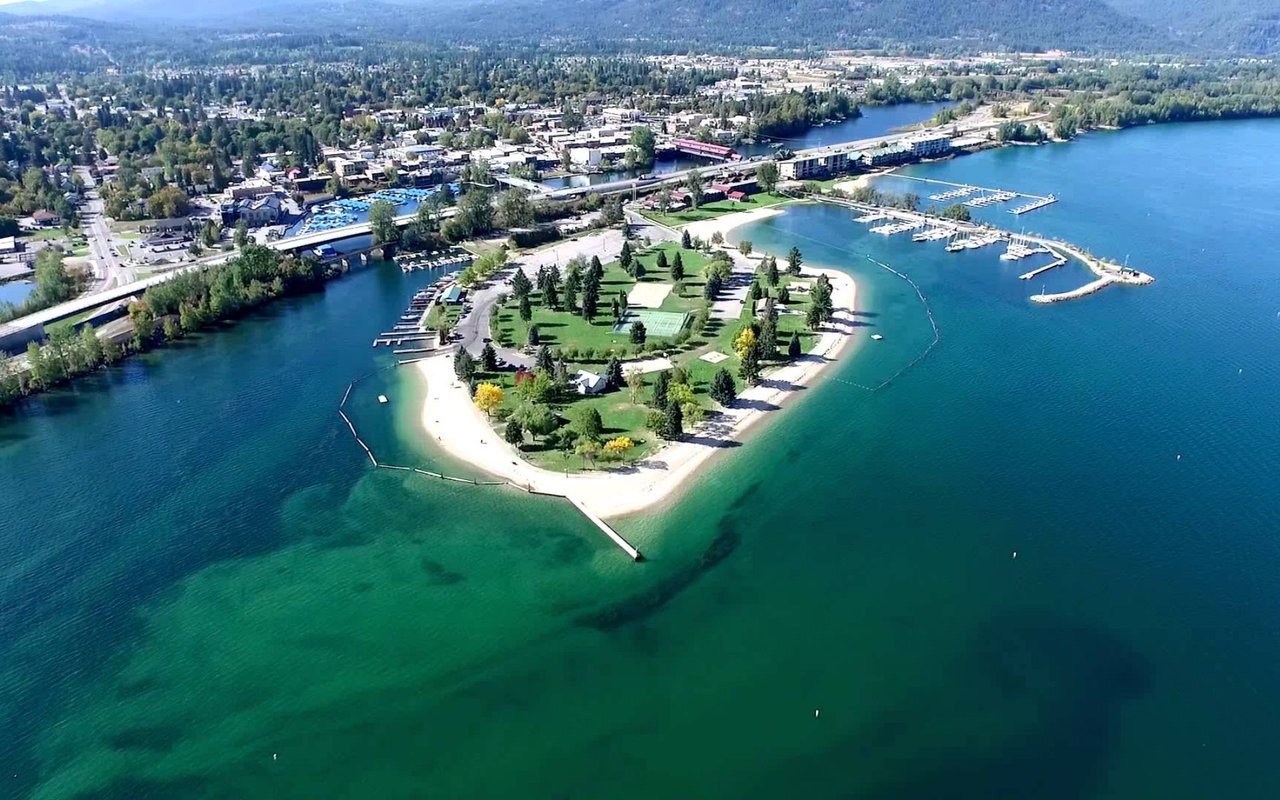
Q’emiln Park, at the south end of the Spokane Street bridge, is a 78.5-acre riverfront park with a swimming beach, seasonal boat launch, picnic areas and access to the Post Falls Community Forest and climbing walls. Falls Park sits beside the dam and gorge, while Black Bay Park provides 56 acres of river scenery, trails, fishing access and a community dock.
For waterfront buyers, however, “Spokane River waterfront” is not one product. The north bank, south bank, areas closer to the dam and properties farther west can differ in shoreline, water conditions, privacy, views and access.
That is exactly where local knowledge matters.
Post Falls is one of the fastest-growing cities in North Idaho, and you can see that growth on the ground. New housing, restaurants, commercial centers, medical services and mixed-use projects continue to expand the city, particularly around Highway 41, Prairie Avenue and the developing City Center.
The city’s official Downtown Urban Renewal District was created in 2021 with the stated goal of creating a more active and recognizable downtown Post Falls. The Millworx development is part of that evolution, bringing residential living together with restaurants, markets and other businesses.
Farther north, the Highway 41 and Prairie Avenue corridor is also seeing significant commercial and residential investment. The Post Falls Technology District includes hundreds of acres planned for commercial and light-industrial development, along with additional shopping and medical development.
For a buyer, that means Post Falls today is not quite the same city it was even five or ten years ago.
You are buying into a community that is still evolving.
Post Falls may be growing quickly, but it still has the kind of community calendar that brings people out of their neighborhoods and into the parks, streets and gathering places around town. Throughout the year, the City of Post Falls hosts festivals, concerts, outdoor movies, seasonal markets, recreation programs and other community events.
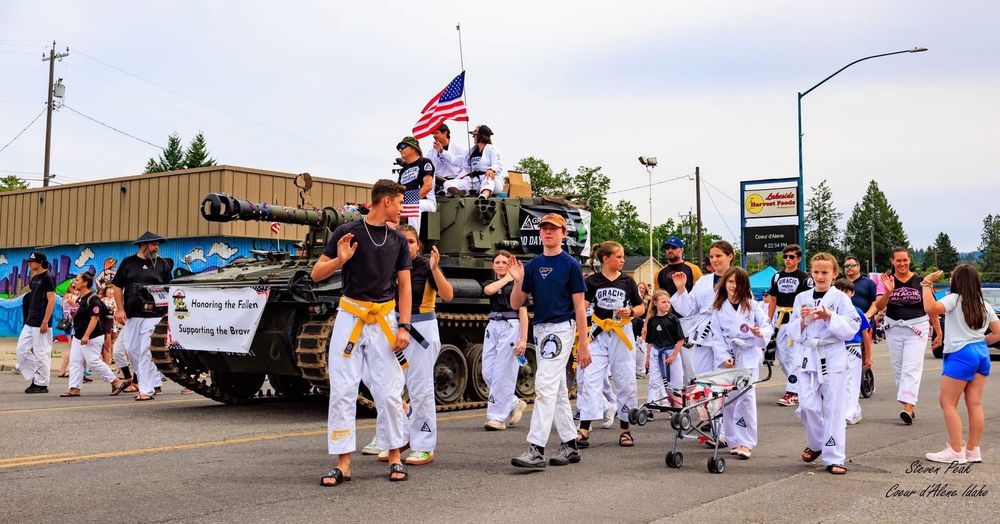
The biggest annual celebration is the Post Falls Festival, held each July at Q'emiln Park. The three-day event brings together live music, local food vendors, arts and crafts, a community parade and other activities along the Spokane River.
Other recurring events and programs include:
That community calendar is part of the personality of Post Falls. It is a growing city, but parks, recreation, local events and gathering places still play a noticeable role in everyday life.
Post Falls works especially well for people who want North Idaho living with unusually convenient access to both Coeur d’Alene and Spokane. Downtown Coeur d’Alene is roughly 9–10 miles east, Spokane is about 25 miles west and Spokane International Airport is approximately 31 miles away.
That location can make Post Falls particularly appealing if you want:
Post Falls may be less appealing if your priority is a walkable resort downtown like Coeur d’Alene or a small mountain-and-lake town like Sandpoint.
It fills a different niche—and for the right buyer, that is exactly the point.
Coeur d’Alene is more centered around Lake Coeur d’Alene, its established downtown, resort, golf and tourism, while Post Falls is more centered around the Spokane River, residential growth, new construction and convenient access to both Coeur d’Alene and Spokane.
If This Matters Most… | Explore… |
|---|---|
Lake Coeur d’Alene + established downtown | Coeur d’Alene |
Spokane River living | Post Falls |
Resort, marina + golf lifestyle | Coeur d’Alene |
New construction choices | Post Falls |
Easier Spokane access | Post Falls |
Established downtown dining/shopping | Coeur d’Alene |
Prairie acreage | Post Falls |
Wooded acreage south of the river | Post Falls / Cougar Gulch area |
Access to both CDA and Spokane | Post Falls |
Neither city is better. They simply solve different problems.
If you want the lake and downtown outside your front door, Coeur d’Alene may win.
If you want river, newer housing and the ability to go east to Coeur d’Alene or west to Spokane without much fuss, Post Falls deserves a serious look.
Post Falls gives dog owners plenty of ways to get outside, particularly along the river, trails and city parks. The City of Post Falls currently identifies several dog-friendly parks where dogs are welcome on leash, including:
Black Bay is especially nice for walking because its paved trails connect with the North Idaho Centennial Trail and provide Spokane River views and fishing access. Corbin Park sits directly along the river and offers trails, open recreation areas and scenic views.
One local detail worth knowing: Q’emiln Park does not allow dogs, so dog owners should use the city’s designated dog-friendly parks and follow posted leash rules.
For someone who walks a dog every day, this can actually influence where in Post Falls feels most convenient.
Post Falls buyers should think about more than the house itself because the city changes substantially from north to south and from riverfront to prairie. Michael and I want buyers thinking about:
The right question is not simply, “Should I buy in Post Falls?”
It’s “Which Post Falls gives me the life I actually want?”
Post Falls can be a great fit for people who want Spokane River recreation, newer housing, parks and convenient access to both Coeur d’Alene and Spokane. The city offers waterfront homes, established neighborhoods, new construction, prairie properties and more rural choices south of the river.
Post Falls is approximately 9–10 miles west of downtown Coeur d’Alene, generally around a 12–15 minute drive in light traffic. That proximity allows residents to use Coeur d’Alene’s lakefront, restaurants, shopping and medical services while living in a distinctly different community.
Downtown Spokane is approximately 25 miles west of Post Falls, with Spokane International Airport approximately 31 miles away. That makes Post Falls one of the most convenient North Idaho communities for people who regularly travel or work on the Spokane side of the state line.
Yes. Post Falls has Spokane River waterfront property on both sides of the river, ranging from established homes to larger and more private properties. Buyers should evaluate water conditions, shoreline, dock rights, access, elevation and the specific location along the river before assuming all waterfront is comparable.
Yes. Post Falls continues to see substantial residential and commercial growth, particularly around the Rathdrum Prairie, Highway 41 and Prairie Avenue. Buyers can find everything from individual new homes to larger planned developments and expanding commercial areas.
Coeur d’Alene is more lake-, resort- and downtown-oriented, while Post Falls is more river-, residential- and growth-oriented. Post Falls also sits closer to Spokane, making it particularly convenient for people who want access to both sides of the Idaho-Washington border.
Post Falls is a core Kootenai County market served by Julie Lynn, Broker/Owner of Territory Real Estate and a 30-year real estate professional, and Michael Olivieri. Together, Julie and Michael help buyers and sellers navigate Spokane River waterfront, newer construction, established Post Falls neighborhoods, prairie properties and more rural real estate south of the river.
What I like about Post Falls is that you don't have to pick just one direction.
Coeur d’Alene is right down the road.
Spokane is the other way.
The river runs through the middle.
And depending on where you turn, you can end up in a new neighborhood, on the water or on acreage.
That makes Post Falls a lot more interesting than people sometimes give it credit for.
Explore current Post Falls homes for sale, including Spokane River waterfront, new construction, established neighborhoods, prairie homes, acreage and properties south of the river near Riverview Drive and Cougar Gulch.
If Post Falls sounds like the right balance of river, convenience, growth and North Idaho lifestyle, Julie Lynn and Michael Olivieri of Territory Real Estate can help you compare the different parts of the market and understand what comes with each property.
Explore current Post Falls homes for sale below, or contact Territory Real Estate to talk through what you’re looking for.
53,152 people live in Post Falls, where the median age is 36 and the average individual income is $32,969. Data provided by the U.S. Census Bureau.
Total Population
Median Age
Population Density Population Density This is the number of people per square mile in a neighborhood.
Average individual Income
There's plenty to do around Post Falls, including shopping, dining, nightlife, parks, and more. Data provided by Walk Score and Yelp.
Explore popular things to do in the area, including Chubby Baker, The Cupcaker Baker, and Frontier Grocery.
| Name | Category | Distance | Reviews |
Ratings by
Yelp
|
|---|---|---|---|---|
| Dining | 0 miles | 0 reviews | 0/5 stars | |
| Dining · $$ | 0.53 miles | 5 reviews | 4.2/5 stars | |
| Dining · $$$ | 0.56 miles | 2 reviews | 3/5 stars | |
| Dining · $$ | 0.6 miles | 65 reviews | 4/5 stars | |
| Dining | 0.68 miles | 3 reviews | 2.3/5 stars | |
| Dining | 0.72 miles | 0 reviews | 0/5 stars | |
| Dining | 0.92 miles | 0 reviews | 0/5 stars | |
| Dining | 0.99 miles | 0 reviews | 0/5 stars | |
| Dining | 0.99 miles | 0 reviews | 0/5 stars | |
| Dining | 0.99 miles | 0 reviews | 0/5 stars | |
| Shopping | 0.68 miles | 0 reviews | 0/5 stars | |
| Active | 0.58 miles | 7 reviews | 4.4/5 stars | |
| Active | 0.82 miles | 0 reviews | 0/5 stars | |
| Active | 0.92 miles | 1 review | 5/5 stars | |
| Active | 0.93 miles | 8 reviews | 5/5 stars | |
| Active | 0.95 miles | 0 reviews | 0/5 stars | |
| Active | 0.99 miles | 0 reviews | 0/5 stars | |
| Nightlife | 0.95 miles | 0 reviews | 0/5 stars | |
| Beauty | 0.7 miles | 1 review | 5/5 stars | |
| Beauty | 0.7 miles | 0 reviews | 0/5 stars | |
| Beauty | 0.97 miles | 7 reviews | 4.4/5 stars | |
| Beauty | 0.99 miles | 0 reviews | 0/5 stars | |
| Beauty | 0.99 miles | 0 reviews | 0/5 stars | |
| Beauty | 0.99 miles | 0 reviews | 0/5 stars | |
|
|
||||
|
|
||||
|
|
||||
|
|
||||
|
|
||||
|
|
Post Falls has 19,423 households, with an average household size of 2.72. Data provided by the U.S. Census Bureau. Here’s what the people living in Post Falls do for work — and how long it takes them to get there. Data provided by the U.S. Census Bureau. 53,152 people call Post Falls home. The population density is 685 and the largest age group is Data provided by the U.S. Census Bureau.
Total Population
Population Density Population Density This is the number of people per square mile in a neighborhood.
Median Age
Men vs Women
Population by Age Group
0-9 Years
10-17 Years
18-24 Years
25-64 Years
65-74 Years
75+ Years
Education Level
Total Households
Average Household Size
Average individual Income
Households with Children
With Children:
Without Children:
Marital Status
Blue vs White Collar Workers
Blue Collar:
White Collar:
A reputation for unrelenting work ethic, integrity, and honesty backed up by unparalleled knowledge of the marketplace.
Reach out today to start the conversation. We’re ready to guide you toward a successful buying or selling experience.
CONTACT USEnter your contact information below and we'll be sure to get back to you as soon as we can!