- Home
-
Sellers
-
Meet the Team
-
North Idaho Lifestyle
-
Tools for Success
- Success Stories
- Contact Us
Clark Fork is traditional North Idaho—a proud river-and-mountain town near Montana with waterfront property, acreage, mountain homes and an old-fashioned sense of community.
Clark Fork is traditional North Idaho—small, proud, patriotic and surrounded by a landscape that still feels much bigger than the town itself.
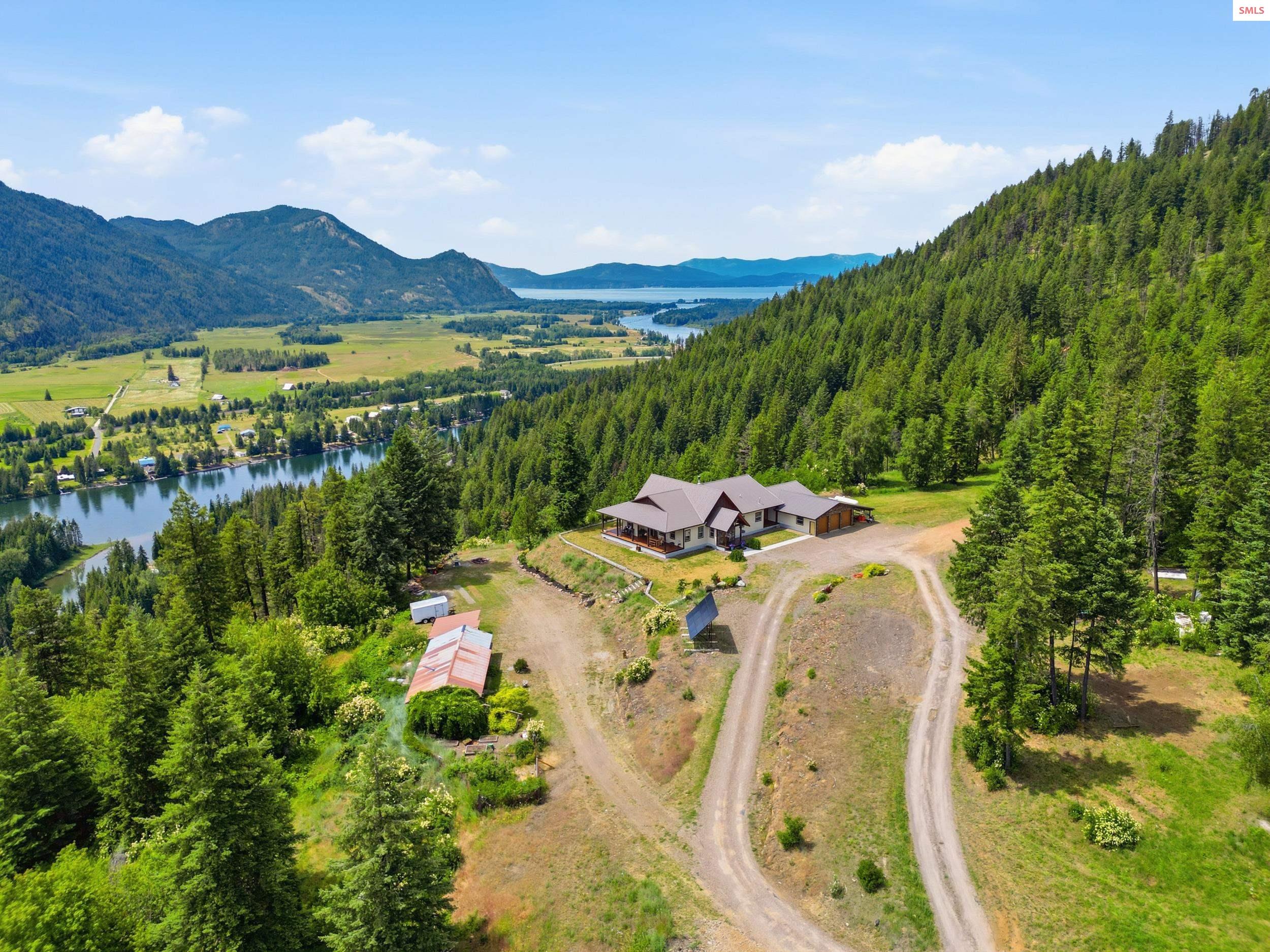
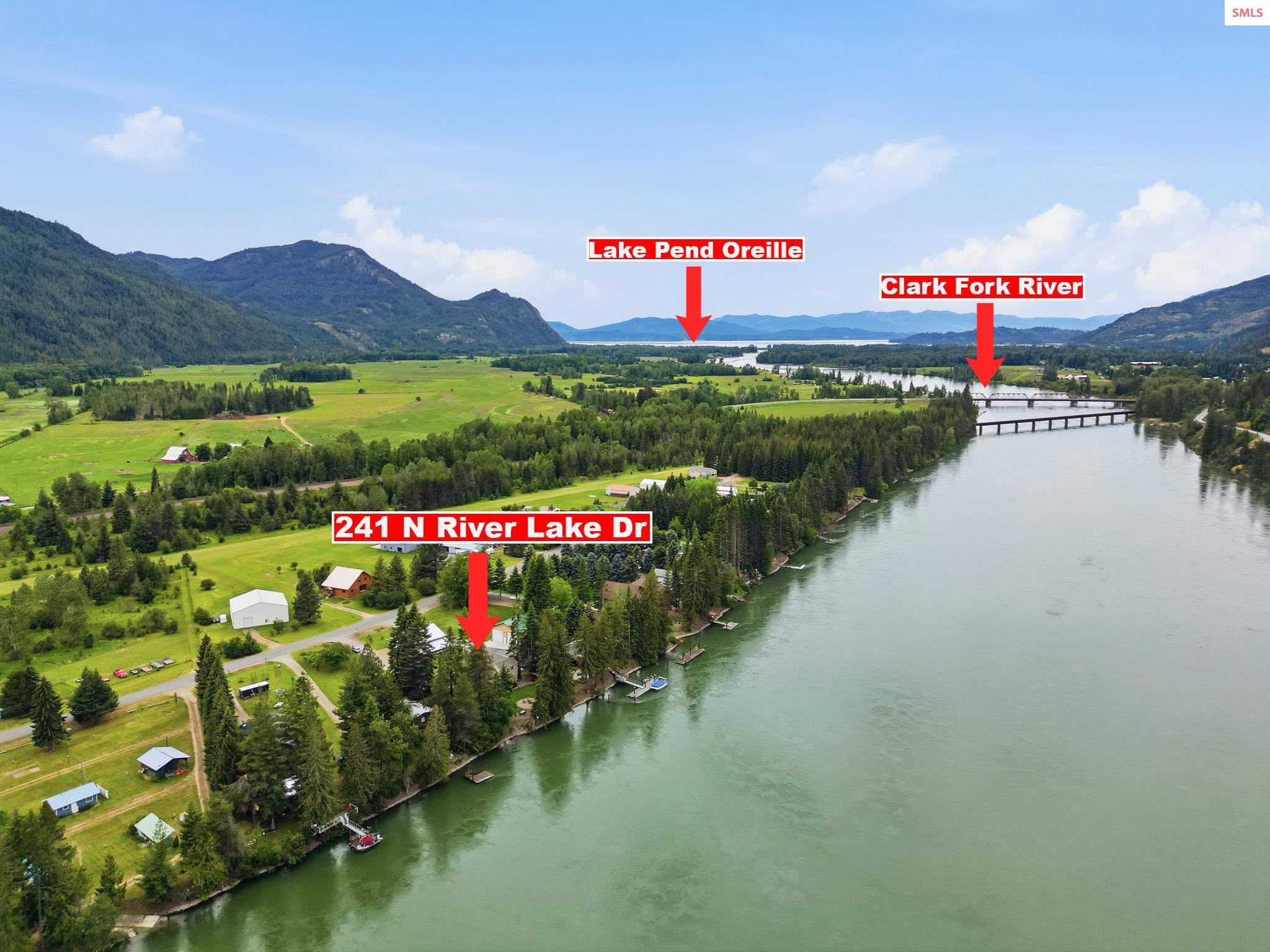
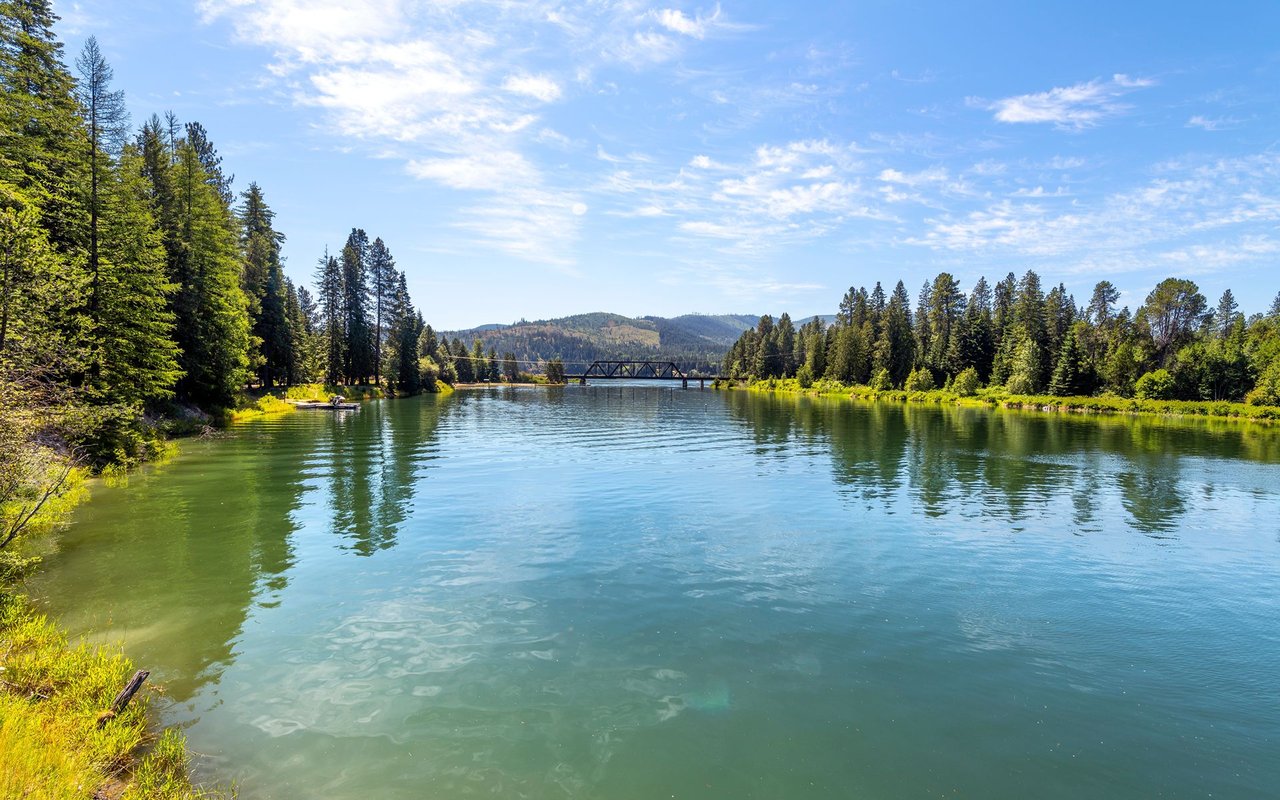
Located along Highway 200 east of Hope and just a few miles from the Montana border, Clark Fork sits beside the Clark Fork River as it approaches Lake Pend Oreille, with the Cabinet Mountains rising dramatically around the valley.
The incorporated town is tiny. But “Clark Fork real estate” can mean several completely different things.
You can live right in town, where life revolves around a few blocks, the school and community gatherings. You can move into the broad river valley for acreage, pasture and waterfront. Or you can head into the mountains and trees for privacy, larger parcels and a much more remote North Idaho lifestyle.
Clark Fork is for people who don't need a town to be big to feel like a community.
Quick Fact | What to Know |
|---|---|
Location | Eastern Bonner County along Highway 200, beyond Hope and approximately 25 miles east of Sandpoint. |
Population | The 2020 U.S. Census counted just 513 residents inside the incorporated city. |
Montana Access | Clark Fork is the easternmost incorporated city in Bonner County, roughly 6 air miles west of the Montana border. |
River | The Clark Fork River flows past town before emptying into Lake Pend Oreille. |
Mountain Setting | The community sits beneath the Cabinet Mountains with access to Scotchman Peak, Goat Mountain, Lightning Creek and extensive national-forest country. |
Scotchman Peak | At 7,009 feet, Scotchman Peak is the highest point in Bonner County and the Idaho Cabinet Mountains. Its trailhead is about 5.5 miles northeast of Clark Fork. |
Fishing | Idaho Fish and Game identifies the Clark Fork River as a recommended fishing water with several boating-access sites. |
Signature Celebration | Clark Fork is known for its old-fashioned Fourth of July, including a VFW flag raising, parade, traditional games, logging competitions and fireworks. |
History | Clark Fork grew around Northern Pacific Railroad construction in the early 1880s and was incorporated in 1911. |
Known For | River and mountain recreation, fishing, hunting, acreage, waterfront, traditional small-town life and easy access toward western Montana. |
Updated September 2026
Clark Fork is a small market with an unusually broad geographic footprint, so one median price doesn't describe it particularly well.
Realtor.com reported the following for June 2026:
Market Indicator | June 2026 |
|---|---|
Median listing price | $469,500 |
Median price per sq. ft. | $351 |
Active listings | 58 |
Median days on market | 40 days |
Source: Realtor.com Economic Research
Zillow reported a typical Clark Fork home value of $496,638 as of June 30, 2026, up 0.7% year over year, with 22 homes for sale in its dataset.
The numbers need context.
A little house inside town, five acres in the valley, a Clark Fork River property and a remote mountain parcel may all carry the same Clark Fork address while offering completely different lifestyles.
Clark Fork feels like one of the places where old North Idaho is still very visible.
The Fourth of July is a real community event. People line up for the parade. The VFW raises the flag. Tractors, horses, four-wheelers and fire trucks can all end up coming down the same street. Then everybody heads over for races, logging competitions and fireworks.
And five minutes outside town, you can be looking at the river, farmland or a mountain road disappearing into the Cabinets.
Clark Fork isn't trying to become something else. That's one of the things I like most about it.
Clark Fork became a town because of geography.
Long before the modern highway, this narrow passage between the river and the mountains was an important travel corridor. Native peoples lived, hunted, fished and traveled through the Clark Fork Valley, and Meriwether Lewis passed through the region during the Lewis and Clark Expedition's return journey in 1806. The river takes its name from William Clark.
The modern town began developing in the early 1880s when the Northern Pacific Railroad pushed through the Bitterroot and Cabinet Mountains.
Over the following decades, Clark Fork depended on:
Clark Fork officially incorporated on May 11, 1911.
Even the act of crossing the river played a major role in local history. Before permanent bridges, ferries carried people and goods across the Clark Fork, including traffic associated with mining and railroad construction.
Later, Cabinet Gorge Dam was constructed just upstream near the Montana border in 1951–52, adding another major chapter to the valley's history.
Clark Fork has never really been a resort town.
It has always been a working river-and-mountain town.
Clark Fork's downtown isn't polished or elaborate—and that's part of its personality.
The business core follows Highway 200 and Fourth Avenue, with a small collection of locally oriented shops, food, basic services and community facilities. The city itself maintains a short list of local businesses rather than the long commercial directory you'd expect in Sandpoint or Coeur d'Alene.
Life here is less about having twenty restaurant choices and more about recognizing people when you go into town.
The school, library, community spaces and local organizations play an outsized role because there simply aren't thousands of people around to disappear into.
Clark Fork feels personal because it is small enough to still be personal.
Inside Clark Fork, buyers find modest residential streets and established homes close to the school, library and town businesses.
This is the most connected version of Clark Fork living.
You're close to community events, Highway 200 and everyday services, while the river and mountains remain only minutes away.
For someone who likes the idea of a genuine small town—not a subdivision pretending to be one—the city itself can be appealing.
Move outside town and the landscape opens dramatically.
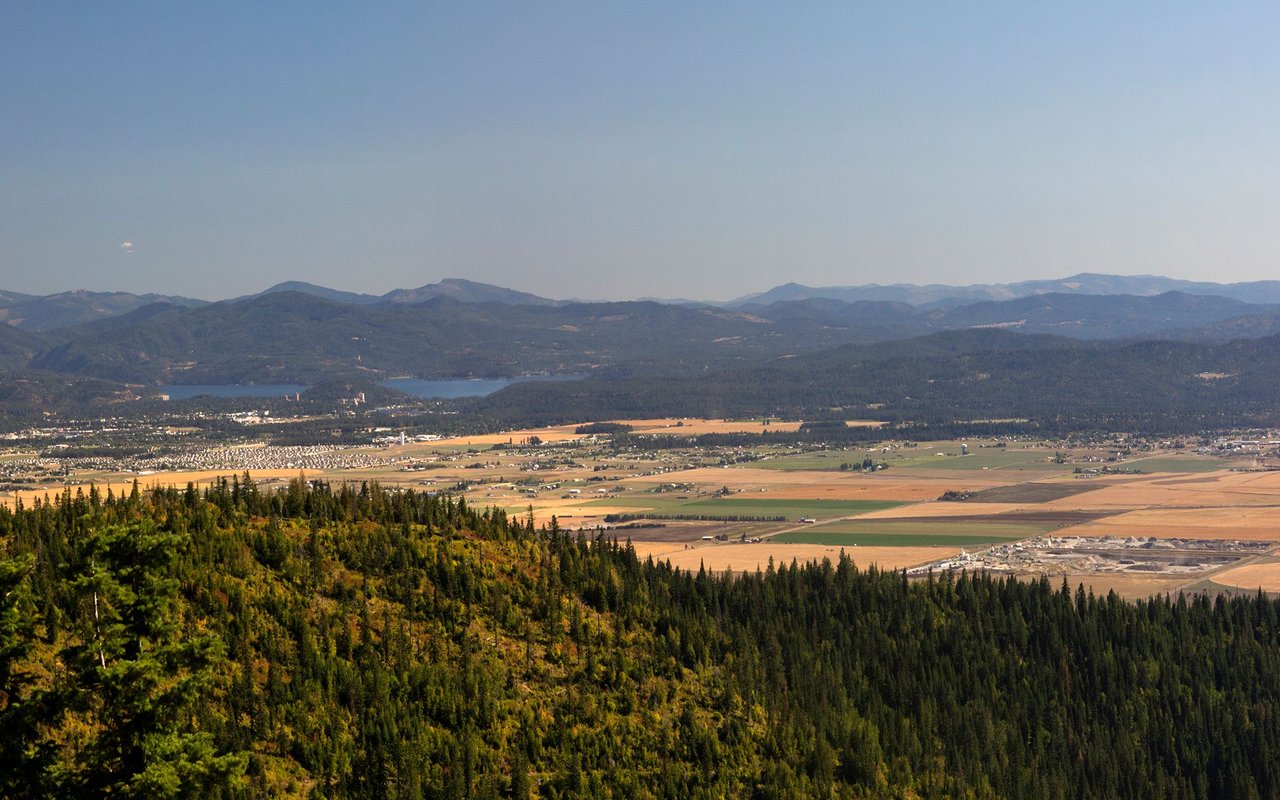
The Clark Fork Valley includes some of the area's most usable rural ground, with pasture, acreage, farms, homes with shops and properties overlooking or bordering the river.
Depending on the location, buyers can find:
The river itself broadens as it approaches Lake Pend Oreille, creating wetlands, channels and the Clark Fork Delta.
For waterfront buyers, we'd want to understand shoreline, water depth, boat access, flood considerations, seasonal water levels, road access and whether the property actually provides the kind of river use you're imagining.
Clark Fork River waterfront is not one uniform product.
Head north or into the surrounding Cabinet Mountains and Clark Fork becomes something else entirely.
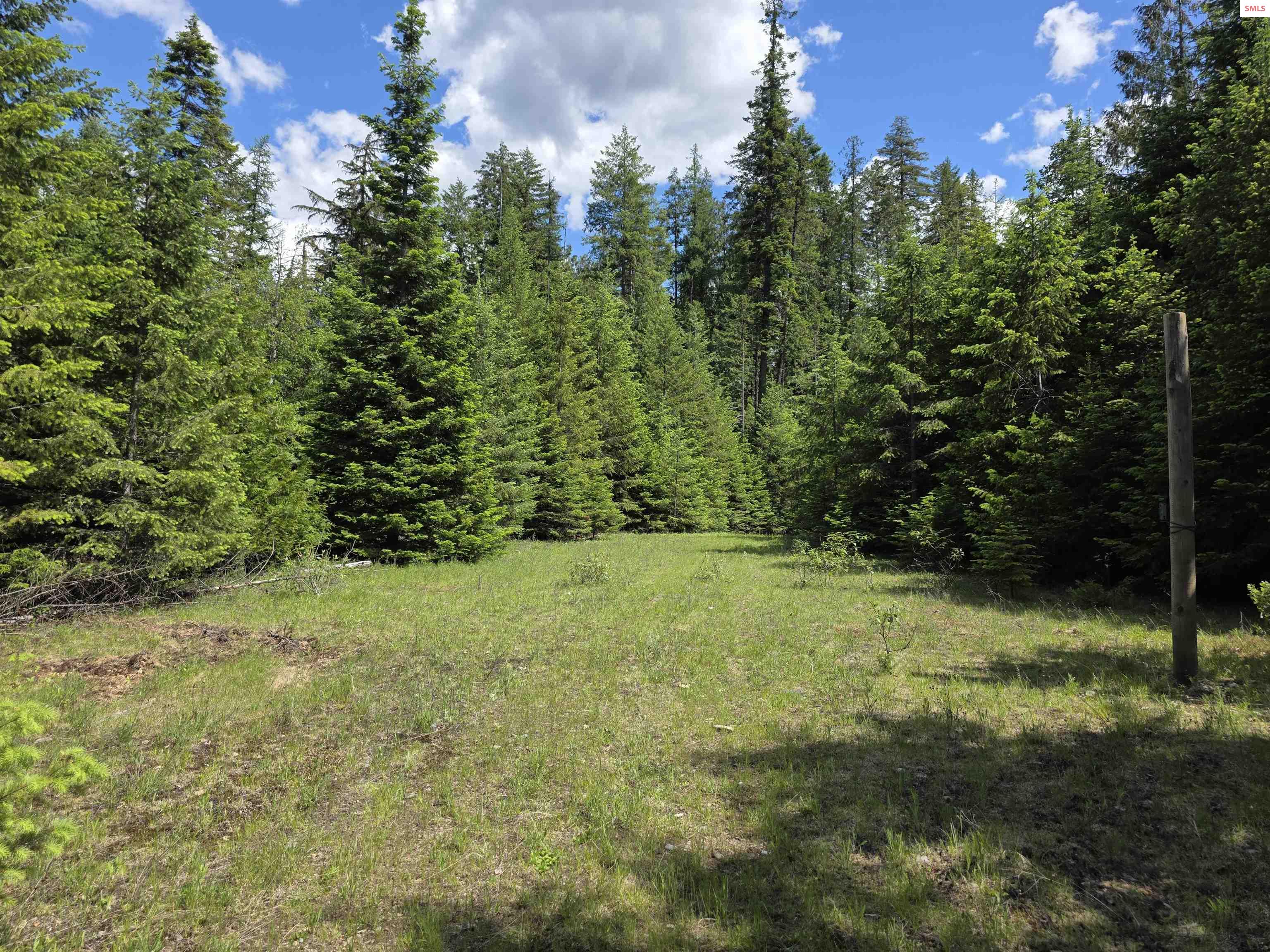
This is where buyers begin finding timbered acreage, mountain homes, remote parcels and properties closer to national-forest access.
Terrain matters enormously here.
Twenty mountain acres may contain a beautiful building site and usable ground—or mostly steep forest.
For mountain and rural property, Michael and I would want to understand:
The mountain side of Clark Fork is where the phrase “privacy” can become very literal.
If you want to understand how Clark Fork feels, come on the Fourth of July.
The local newspaper actually describes it as an “old-fashioned Fourth,” and that's exactly what it looks like.
The 2026 celebration began with the 14th annual Freedom Fun Run, followed by a local VFW flag raising and a community parade.
And this isn't a parade where you need an elaborate corporate float.
Children, tractors, motorcycles, four-wheelers, horses, cars, fire trucks and community groups are welcome to participate.
The day continued with:
The Sheriff's national anthem opened the 2026 parade, and patriotic displays were visible throughout the celebration.
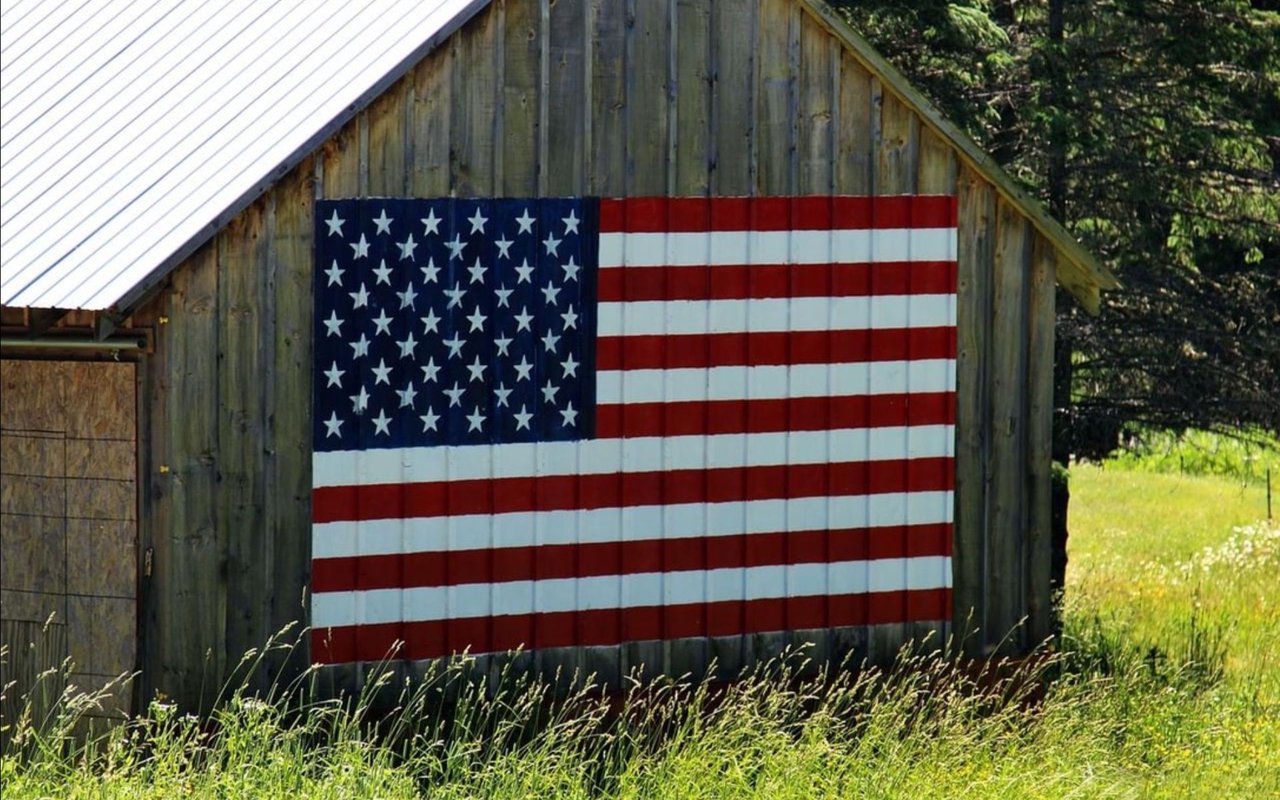
Respect for country, military service and local tradition is very visible here—not as a marketing slogan, but in the way the community celebrates together.
The Fourth is the biggest showcase, but small-town life continues throughout the year.
Clark Fork's community calendar includes library programming, local markets, senior-center gatherings, youth activities and outdoor events.
Recent 2026 examples included:
It's not a huge event calendar.
It's a small-town calendar—where the people organizing the event are often the same people you'll see at the grocery store the following week.
Clark Fork is one of the communities where the landscape does most of the recreational planning for you.
The Clark Fork River is designated by Idaho Fish and Game as a recommended fishing water and includes boat ramps, docks, camping and several public-access locations.
Species include:
Special fishing regulations apply to portions of the river, particularly for trout and native species, so current Idaho Fish and Game rules should always be checked.
The lower Clark Fork and delta create excellent opportunities for exploring by boat, kayak and paddleboard.
Idaho Fish and Game identifies multiple boating-access points near town, including sites providing access to the lower river and delta where the river approaches Lake Pend Oreille.
That means Clark Fork residents can have both river recreation and access toward one of the West's great lakes.
This is where Clark Fork becomes exceptional.
Scotchman Peak rises to 7,009 feet and is one of the signature hikes in North Idaho. The roughly 7.9-mile round-trip trail climbs into spectacular Cabinet Mountain country with views reaching across Lake Pend Oreille, Montana and the Selkirks.
Other nearby mountain access includes:
Friends of Scotchman Peaks also organizes guided hikes, trail projects and outdoor events throughout the year.
Clark Fork has also become part of North Idaho's growing gravel-cycling scene.
The 2026 Monarch Grind was a 59-mile gravel race beginning at Clark Fork High School, taking riders into the surrounding mountain landscape.
Hunting and public-land recreation are part of the broader Cabinet Mountain lifestyle, and the Clark Fork Rod and Gun Club continues to have a visible role in local events, including the annual Fourth of July celebration.
For a rural buyer who wants to practice recreational shooting on private acreage, I would treat that as a property-specific question. Parcel size, nearby homes, covenants, safe backstops, local regulations and seasonal fire restrictions all matter.
Golf isn't really the reason to choose Clark Fork.
Golfers generally travel west toward Hope and Sandpoint for established courses.
And I actually think that's useful to say.
Clark Fork's strongest recreation isn't manicured.
It's rivers, mountains, trails, forests and public land.
Winter recreation can include:
And Schweitzer Mountain remains accessible for a larger downhill-ski experience when you want it.
Clark Fork sits at an extraordinary meeting point of ecosystems.
The river valley provides wetlands and habitat while the mountains rise sharply on both sides.
The Clark Fork Delta near Lake Pend Oreille is particularly important for fish and wildlife, while the Cabinet and Scotchman country supports deer, elk, bears, mountain goats and other North Idaho wildlife.
Scotchman Peak itself is known for its native mountain-goat herd, and trail ambassadors work each summer to educate hikers about maintaining safe distances from the animals.
Living here means appreciating the wildlife rather than expecting it to behave like suburban landscaping.
Clark Fork feels connected to two states.
Highway 200 continues east through the Cabinet Gorge toward Montana, and the City describes Clark Fork as the first Idaho town encountered when traveling west into Idaho from Montana on the highway.
The Montana border is only a few miles away.
That makes trips toward Heron, Noxon and Thompson Falls part of the natural geography of life here, just as heading west through Hope brings you toward Sandpoint.
Clark Fork sits in the middle of that corridor.
Sandpoint in one direction. Montana in the other.
Clark Fork deserves a serious look if you want:
It may be less appealing if your priorities are extensive shopping, nightlife, a large restaurant scene, immediate hospital access or polished resort amenities.
Clark Fork asks you to trade convenience for space, scenery and a very different pace of life.
For the right person, that's not a compromise.
That's the reason to be here.
If This Matters Most… | Explore… |
|---|---|
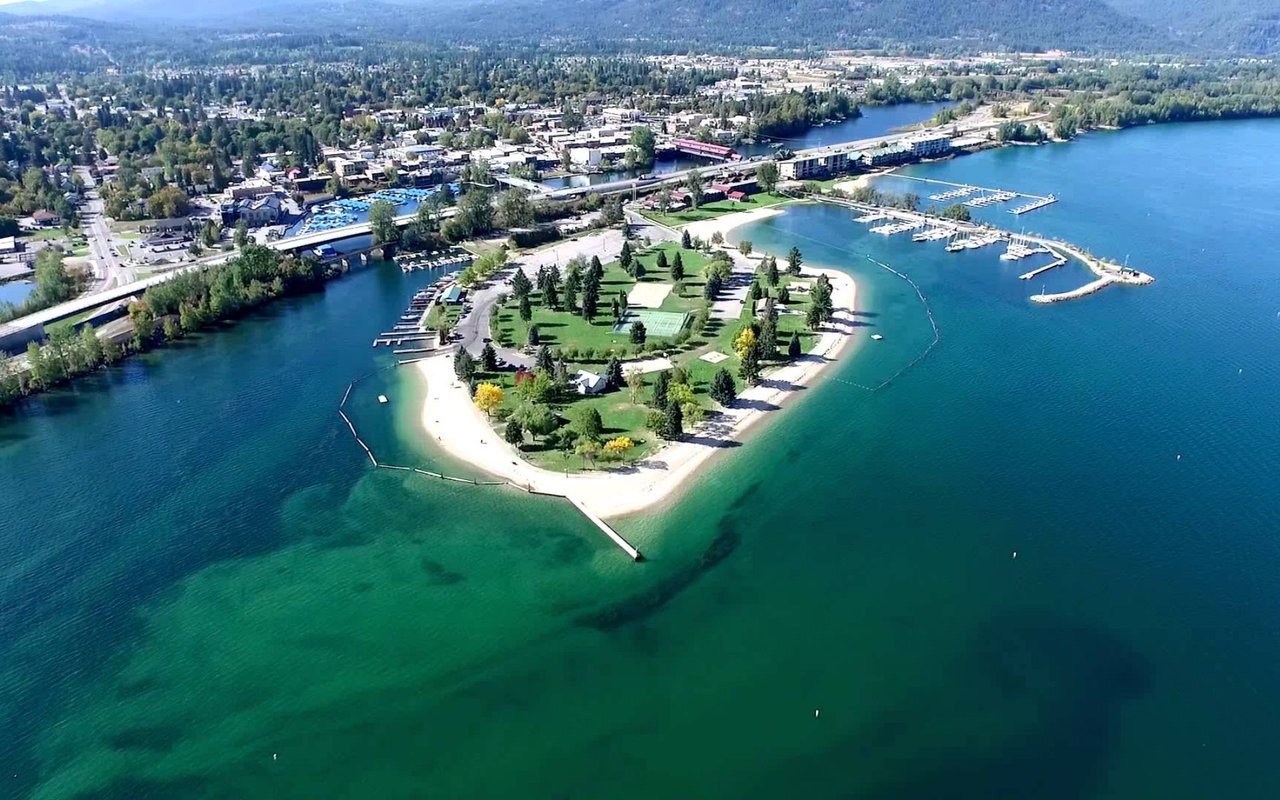
Downtown dining, shopping & arts | Sandpoint |
Traditional small-town life | Clark Fork |
Lake Pend Oreille beside downtown | Sandpoint |
Clark Fork River lifestyle | Clark Fork |
Resort and tourism activity | Sandpoint / Schweitzer |
Less tourism | Clark Fork |
Scotchman Peak & Cabinet access | Clark Fork |
More restaurant choices | Sandpoint |
Acreage & remote mountain property | Clark Fork |
Montana access | Clark Fork |
Large community event calendar | Sandpoint |
Old-fashioned Fourth & local traditions | Clark Fork |
They are only about 25 miles apart.
But they don't feel like the same North Idaho.
Clark Fork is one of those communities where due diligence changes dramatically depending on which version of the market you're buying.
For river and waterfront property, Michael and I want buyers thinking about:
For valley acreage:
For mountain and remote property:
A twenty-acre Clark Fork property can be a dream.
Or it can be twenty acres you can barely use.
The land matters just as much as the house.
Clark Fork can be a great fit for people who want traditional small-town life, river and mountain recreation, acreage and easy access toward Montana. It is much smaller and less resort-oriented than Sandpoint.
Clark Fork is in eastern Bonner County along Highway 200, east of Hope and approximately 25 miles from Sandpoint. It sits just a few miles west of the Montana border.
Yes. The town sits beside the Clark Fork River before the river empties into Lake Pend Oreille. The surrounding valley includes riverfront, river-view and rural properties.
Yes. Clark Fork has riverfront and near-water properties along the Clark Fork River and its lower reaches toward Lake Pend Oreille. Buyers should evaluate shoreline, access, water conditions and flood considerations property by property.
Very. Clark Fork is the easternmost incorporated city in Bonner County and lies roughly six air miles west of the Montana border.
Clark Fork is known for its river-and-mountain setting, traditional small-town character, old-fashioned Fourth of July, Scotchman Peak, fishing and easy access to the Cabinet Mountains and Montana.
Yes. Scotchman Peak is one of North Idaho's signature mountain hikes, and the surrounding Cabinet Mountain country provides extensive additional hiking and public-land recreation.
Yes. Idaho Fish and Game lists the Clark Fork River as a recommended fishing water, with multiple public access points and a diverse range of fish species.
Clark Fork and eastern Bonner County are part of the North Idaho market served by Julie Lynn, Broker/Owner of Territory Real Estate and a 30-year real estate professional, and Michael Olivieri.
Michael and I help buyers understand the differences that aren't obvious from the words “Clark Fork” in a listing:
Town or country.
River valley or mountain.
Waterfront or water view.
Five usable acres or twenty steep ones.
Easy year-round access or a road that's an entirely different experience in January.
Clark Fork is traditional North Idaho.
It respects where it came from.
The river still shapes the town.
The mountains still dominate the horizon.
The Fourth of July still looks like the Fourth of July.
And Montana is waiting just down the road.
For someone who wants North Idaho to still feel a little old-fashioned, Clark Fork may feel exactly right.
Explore current Clark Fork real estate, including in-town homes, Clark Fork River waterfront, river-valley acreage, mountain homes, wooded land, properties with shops and larger rural parcels.
If Clark Fork's combination of traditional small-town life, mountains, river, acreage and Montana access sounds like your version of North Idaho, Julie Lynn and Michael Olivieri of Territory Real Estate can help you understand the very different ways to live here.
Explore current Clark Fork homes and land below, or contact Territory Real Estate and let's go see whether town, river or mountain feels like home.
1,248 people live in Clark Fork, where the median age is 58 and the average individual income is $27,755. Data provided by the U.S. Census Bureau.
Total Population
Median Age
Population Density Population Density This is the number of people per square mile in a neighborhood.
Average individual Income
There's plenty to do around Clark Fork, including shopping, dining, nightlife, parks, and more. Data provided by Walk Score and Yelp.
Clark Fork has 553 households, with an average household size of 2.26. Data provided by the U.S. Census Bureau. Here’s what the people living in Clark Fork do for work — and how long it takes them to get there. Data provided by the U.S. Census Bureau. 1,248 people call Clark Fork home. The population density is 13 and the largest age group is Data provided by the U.S. Census Bureau.
Total Population
Population Density Population Density This is the number of people per square mile in a neighborhood.
Median Age
Men vs Women
Population by Age Group
0-9 Years
10-17 Years
18-24 Years
25-64 Years
65-74 Years
75+ Years
Education Level
Total Households
Average Household Size
Average individual Income
Households with Children
With Children:
Without Children:
Marital Status
Blue vs White Collar Workers
Blue Collar:
White Collar:
A reputation for unrelenting work ethic, integrity, and honesty backed up by unparalleled knowledge of the marketplace.
Reach out today to start the conversation. We’re ready to guide you toward a successful buying or selling experience.
CONTACT USEnter your contact information below and we'll be sure to get back to you as soon as we can!