Thinking about buying in The Idaho Club? You are not just choosing a home. You are choosing a setting, a pace, and a property type that can shape everything from your financing and document review to how you spend your weekends. If you want a clearer path through the options, the questions, and the due diligence, this guide will help you buy with more confidence. Let’s dive in.
Why The Idaho Club draws buyers
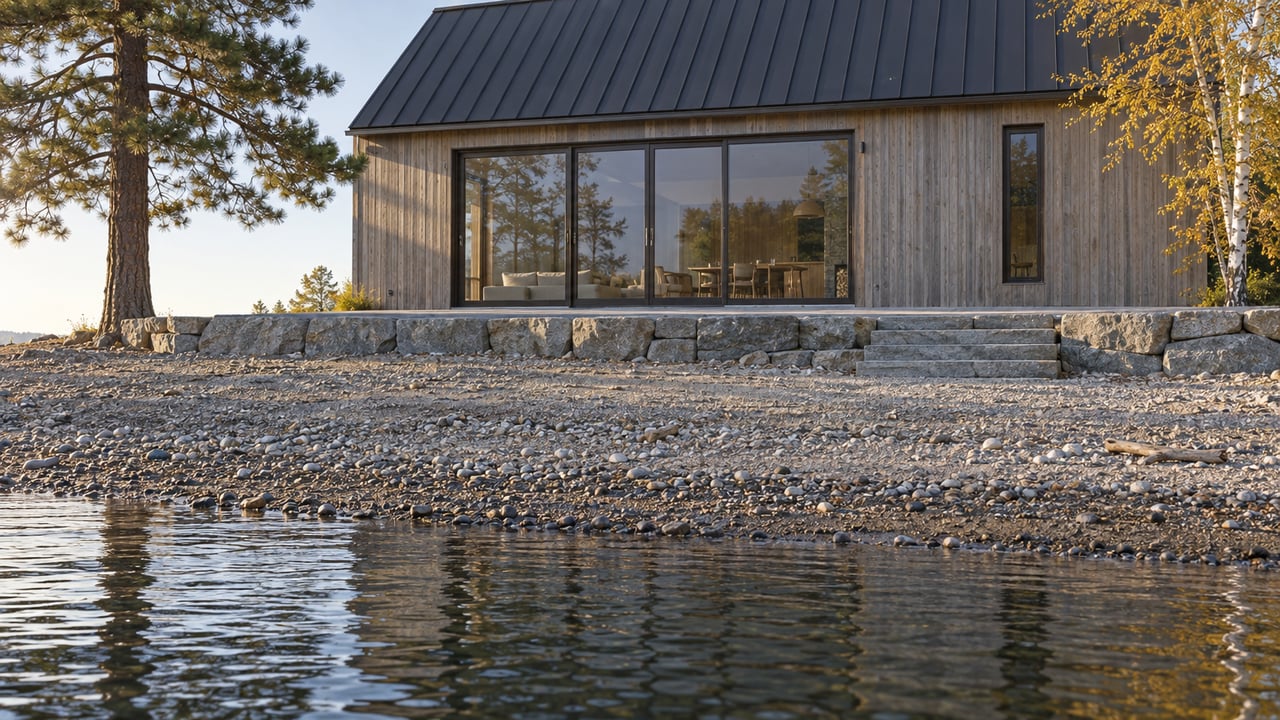
The Idaho Club sits on the Sandpoint side of Lake Pend Oreille near the Lower Pack River, and it is described as barely 10 minutes from downtown Sandpoint. That gives you a mix many buyers want: a more private, scenic setting with quick access to shopping, dining, and town amenities.
The community is also known for Idaho’s only Jack Nicklaus Signature Golf Course. Its mountain-modern clubhouse includes the pro shop and restaurant, which adds to the resort-style feel that sets this community apart from a more typical residential neighborhood.
For many buyers, the appeal goes beyond the home itself. Official community materials emphasize forest land, wildlife refuges, Moose Mountain, and views toward Schweitzer Mountain and the Selkirk Crest, so privacy, orientation, and natural surroundings often matter just as much as square footage.
Know your property options
One of the most important first steps is deciding what kind of purchase fits your goals. The Idaho Club includes a mix of homesites, cabin homes, estate homes, and lodge homes, and each category can come with different questions and timelines.
Homesites
Homesites range from about one-fifth of an acre to more than two acres. Options include higher- and lower-elevation parcels, along with golf-course and water-view settings.
If you are considering land, look closely at the parcel’s location, topography, view corridor, and what approvals may be needed before building. A lot purchase is often less about move-in timing and more about long-term planning.
Cabin homes
Cabin homes offer a smaller detached-home option within the community. Public information lists them at 3 bedrooms, 3 bathrooms, 2,069 square feet, plus a 394-square-foot garage.
This can be a strong fit if you want a standalone home with a manageable footprint. It may also simplify your search if you want to avoid the added complexity of starting from raw land.
Estate homes
Estate homes are the largest class shown on the public pages. They average about 5,000 square feet and typically feature 4 to 5 bedrooms, 4 to 5 bathrooms, secluded wooded lots, and golf or water views.
If you are shopping in this category, your evaluation may focus heavily on privacy, finish level, outdoor living, and how the home sits on the land. In a community like this, two homes with similar square footage can offer very different day-to-day experiences.
Lodge homes
Lodge homes are described as clustered, community-oriented residences averaging about 2,800 square feet with 3 to 4 bedrooms, 3 to 5 bathrooms, and garage or golf-cart storage.
What makes this category especially important is that the public lodge-home page says these homes are in sections where daily, weekly, and monthly rentals are permitted. If you are buying a second home or want income flexibility, this is a major point to confirm early.
Match the purchase to your goals
Before you tour too many properties, define your main goal. Are you looking for a primary residence, a second home, a future custom build, or a property with rental flexibility?
That one decision can narrow your options quickly. It also helps shape the conversations you need to have with your agent, lender, title company, inspector, and the association.
A buyer planning to build on a homesite will likely focus on design review, site conditions, and long-term usability. A buyer considering a lodge home may spend more time confirming rental rules, storage, and amenity access.
Review HOA documents carefully
The Idaho Club appears to be a document-heavy purchase environment, and that matters. The community’s members portal organizes materials into community government documents, design review documents, meeting minutes, HOA financials, community updates and announcements, community rules and resolutions, community resources and contacts, and a 2025 budget.
That structure is a strong signal that buyers should treat document review as a core part of the purchase, not a last-minute step. In a resort-style community, those details can directly affect ownership costs, property use, and future plans.
Key HOA items to check
As you review the association side of the purchase, focus on these items:
- Current assessments
- Any transfer fees or capital contributions
- Special assessments, if any
- HOA financials and budget
- Meeting minutes
- Community rules and resolutions
- Design review requirements for building, remodeling, or exterior changes
Under Idaho Code section 55-3205, an HOA must provide a statement of a member’s assessment account within five business days of a written request at no charge. The same law says transfer fees are allowed only if they are expressly authorized in the CC&Rs, and updated financial disclosures must be provided within ten business days of request.
For you as a buyer, that means fees, budgets, and financial disclosures are material parts of your due diligence. They should be reviewed with the same care you would give the home, lot, or title work.
Clarify club membership and amenity access
A common point of confusion in amenity-rich communities is the difference between ownership and membership. The Idaho Club advertises family and corporate memberships, and public pages connect membership with privileges tied to golf, lake, and club access.
That does not automatically mean every amenity is included with every property purchase. You should confirm exactly what comes with ownership, what requires a separate membership, and what fees may apply.
This matters whether you plan to live there full time or use the property seasonally. It also matters if amenities are one of the main reasons you are buying in the community at all.
Understand rental-permitted sections
If rental flexibility is part of your plan, pay close attention to section-specific rules. The public lodge-home page says lodge homes are in sections where daily, weekly, and monthly rentals are permitted.
That language is helpful, but it is still wise to confirm the exact limits for the specific property you are considering. You will want to know whether the home falls within a rental-permitted section and whether any additional rules or procedures apply.
For second-home and investment-minded buyers, this can be one of the most important distinctions in the entire search. Two homes in the same broader community may not offer the same use options.
Plan for Idaho seller disclosures
In Idaho, the standard seller disclosure process is an important part of a residential purchase. The RE-25 seller’s property condition disclosure form states that a seller must deliver a signed copy within ten calendar days of acceptance of the offer.
The form also makes clear that the disclosure is not a warranty and does not replace inspections. If you receive the disclosure and have a specific objection, the form states that you may rescind within three business days after receiving it.
The form asks about issues such as annexation, city services, and written consent to annex. In an outlying North Idaho setting, those details can be worth extra attention depending on the property.
Do not skip title questions
Title insurance is another important topic in The Idaho Club, especially when you are buying a high-value home or a parcel with unique characteristics. According to the Idaho Department of Insurance, title insurance is not required in Idaho.
Still, title insurance can protect against issues such as undisclosed easements, lack of access, missing heirs, and unpaid association dues. A lender may also require a lender’s policy.
Even if it is not mandatory, an owner’s title policy is worth discussing with your title company. In a community where land, views, access, and association matters can all affect value, title clarity is a practical part of protecting your purchase.
Questions to ask before you buy
A strong purchase in The Idaho Club usually comes down to asking the right questions early. These are some of the most useful ones to bring into your search:
- What is the current assessment structure?
- Are there any transfer fees, capital contributions, or special assessments?
- Which amenities come with ownership?
- Which amenities require separate membership or added fees?
- Does this property fall in a rental-permitted section?
- If so, what are the exact rental limits?
- What design-review approvals are required before building or making exterior changes?
- Is this a resale home, raw lot, or build-ready site?
- How does the property type change financing, timelines, and due diligence?
- Should you order an owner’s title policy for this purchase?
These questions can help you compare properties more clearly and avoid surprises after you are under contract. They also make it easier to separate a beautiful showing from a smart long-term fit.
Buying in The Idaho Club with confidence
The Idaho Club offers a rare combination of scenery, recreation, and property variety near Sandpoint. But because it includes homesites, custom-home potential, finished residences, and rental-permitted lodge-home sections, buying here often requires more targeted due diligence than a standard neighborhood purchase.
That is where local guidance can make a real difference. When you have a clear understanding of the documents, property type, amenities, fees, and use rules attached to a specific home or lot, you are in a much better position to buy with confidence.
If you are considering The Idaho Club and want calm, personalized guidance through the options, start the conversation with Territory Real Estate.
FAQs
What types of properties are available in The Idaho Club?
- The Idaho Club includes homesites, cabin homes, estate homes, and lodge homes, so you may be choosing between raw land, a finished home, or a rental-permitted residence depending on your goals.
What should buyers review in The Idaho Club HOA documents?
- Buyers should review assessments, possible transfer fees, financials, budgets, meeting minutes, rules and resolutions, and any design review requirements that could affect building, remodeling, or exterior changes.
Are rentals allowed in all Idaho Club properties?
- Public community information says lodge homes are in sections where daily, weekly, and monthly rentals are permitted, so you should confirm the exact rental rules for the specific property you want to buy.
What does ownership include in The Idaho Club community?
- Public pages say memberships carry privileges tied to golf, lake, and club access, but buyers should confirm what is included with ownership and what requires separate membership or added fees.
Do buyers need title insurance in Idaho for a home in The Idaho Club?
- Idaho does not require title insurance, but the Idaho Department of Insurance says it can protect against issues such as undisclosed easements, lack of access, missing heirs, and unpaid association dues, and a lender may require a lender’s policy.
When does an Idaho seller have to provide a property disclosure?
- The Idaho RE-25 form states that a seller of residential real property must deliver a signed property condition disclosure within ten calendar days of acceptance of the offer.