Wondering if Sandpoint is the kind of place that looks dreamy in photos but feels harder in real life? That is a fair question, especially if you are planning a move and want more than postcard views. If you are considering Sandpoint, this guide will help you weigh the lifestyle, housing, seasons, and daily routine so you can decide whether it truly fits how you want to live. Let’s dive in.
What Sandpoint feels like day to day
Sandpoint is a small lake city with a growing population and an easy-to-picture rhythm. Census estimates put the city at 10,444 residents in July 2024, which reflects notable growth since 2020. Even with that growth, the day-to-day pace still leans small-town rather than fast-moving.
For many people, that shows up in simple ways. The average travel time to work is 14.2 minutes, downtown parking is generally available, and SPOT offers a free local bus. The city also notes signed bike routes downtown, which adds to the sense that daily errands can feel relatively low-friction.
If you are relocating from a larger metro, that ease may be one of Sandpoint’s biggest advantages. At the same time, regional access still depends on US-95, US-2, and US-200, and the city’s transportation planning points to congestion and truck traffic on the highway network. In other words, local life can feel simple, while regional driving can still have pinch points.
Why many buyers are drawn here
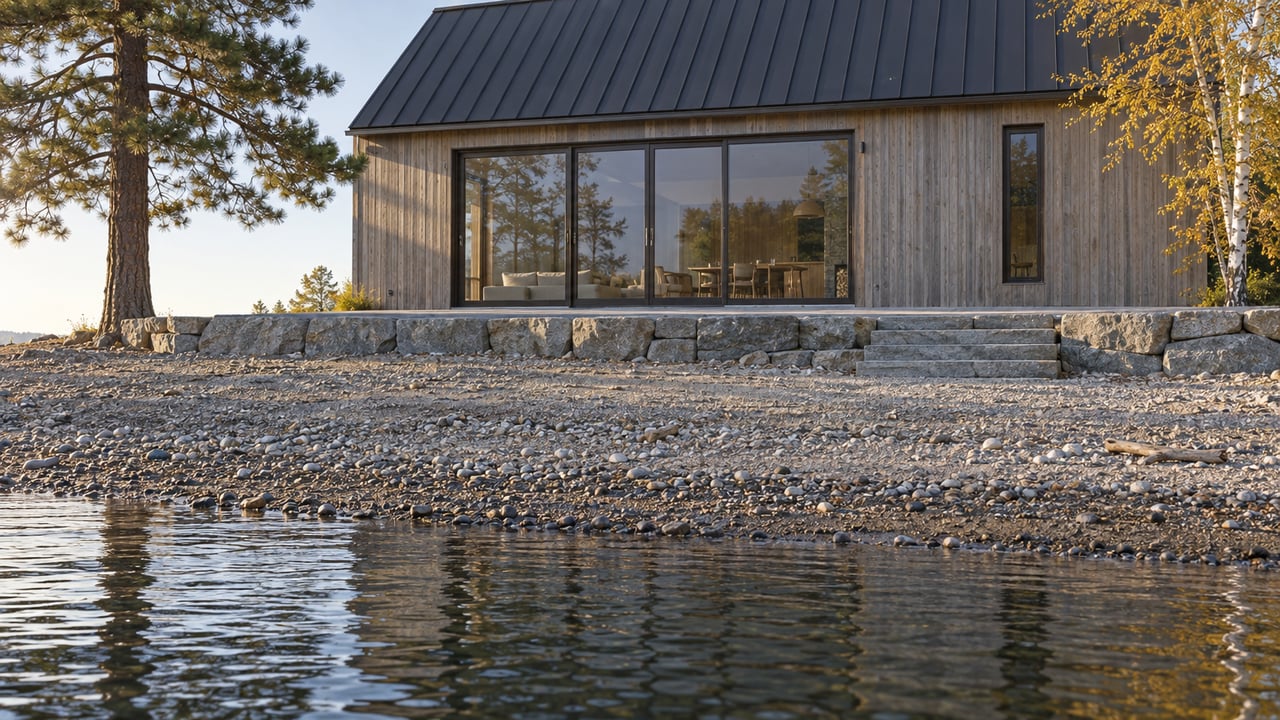
Sandpoint’s strongest pull is lifestyle. You are not choosing this area because it acts like a major city. You are choosing it because lake, mountain, downtown, and public-land access all play a meaningful role in everyday life.
The city highlights its lake-and-mountain setting, and Lake Pend Oreille is described by the city as Idaho’s largest lake. Schweitzer is only 11 miles from downtown, with 2,900 acres for skiing, snowboarding, hiking, and biking. That kind of access is a major reason relocation buyers put Sandpoint on their shortlist.
The broader outdoor network matters too. Idaho Panhandle National Forests span about 2.5 million acres, and the area includes more than 3,000 miles of trails according to the Forest Service. Nearby state parks like Farragut and Round Lake add even more options for boating, hiking, biking, camping, and winter recreation.
Who Sandpoint tends to fit best
Sandpoint often works well for buyers who want their home base to support an outdoor, recreation-first lifestyle. It can also be a strong match if you work remotely or want a shorter daily commute, since 93.3% of households report a broadband subscription and average commute times are relatively short.
It may also appeal to you if you value a place that feels personal rather than generic. The downtown core, waterfront, mountain access, and smaller scale all contribute to that. For many relocation buyers, that combination feels like a real shift in quality of life.
That said, Sandpoint is not the right fit for everyone. If you need dense urban services, frequent commercial flight convenience, or abundant entry-level inventory, this market may feel more limited than expected.
Housing in Sandpoint: what to expect
One of the most important parts of any relocation decision is understanding the housing mix. Sandpoint’s 2024 Comprehensive Plan describes the housing stock as relatively diverse by type and age, but single-family detached homes still make up the largest share at 56%.
The rest of the mix includes duplex, triplex, and townhome units at 20%, apartments at 23%, and mobile homes at 2%. That gives you more variety than some small towns, but it does not automatically mean abundant choice in every price range or property type.
The plan also notes a difference between older and newer neighborhood layouts. Older platted areas tend to have narrower lots, while newer plats generally became larger to accommodate ranch-style homes with attached garages. If lot size, garage space, or neighborhood layout matters to you, that distinction is worth paying attention to.
Land constraints shape the market
Bonner County’s housing needs report points to limited developable land and limited annexation opportunity in Sandpoint. That matters because land constraints can affect both pricing and the pace at which new housing options come online.
The same report notes that much of the county’s rental housing stock consists of detached single-family homes or mobile homes, often with higher rent and utility costs. It also warns that without more housing choices, workers can be pushed farther from job centers. For you as a buyer, that reinforces the idea that location and availability are closely tied in this market.
Price context matters
For a broad price snapshot, Census QuickFacts reports a median owner-occupied home value of $449,500 and median gross rent of $1,047 for 2019 through 2023. Zillow’s live market page shows an average home value of $634,657, with homes going pending in about 39 days.
These figures measure different things, so they should not be treated as direct equivalents. Still, together they suggest a market where current pricing sits above the older Census estimate and well-positioned homes can move at a fairly steady pace. If you are relocating, it is smart to set expectations early around budget, property condition, and competition.
Seasons are part of the deal
Sandpoint is a true four-season place, and that is part of both its charm and its reality. The city says it gets about 58 inches of annual snowfall and roughly 30 days of winter weather, usually between November and March.
That means winter is not just scenic. It affects how you park, how you store snow, and how you think about driveways, access, and home maintenance. The city plows streets when snowfall reaches 2 inches or more, which tells you winter operations are part of normal daily life here.
Climate normals show January highs around 36 degrees and lows around 26 degrees. In July and August, highs sit around 84 degrees. For many buyers, that means winters that require preparation and summers that are warm, usable, and generally manageable.
Summer energy changes the town
If you move to Sandpoint, you should expect a different rhythm in summer than in winter. The city notes that waterfront parking demand becomes extremely high in summer, and City Beach serves as a focal point for community events.
Farmin Park hosts the seasonal farmers market and summer events, which adds to the feeling that the town becomes more active when the weather turns. The municipal marinas work best when lake levels allow, with peak slip access from July 1 to mid-September. If lake access is central to your vision, seasonality should be part of your planning.
For some buyers, that seasonal energy is a major plus. For others, the increase in activity and parking demand can feel like a tradeoff. It depends on whether you enjoy that influx of summer use or prefer a quieter setting year-round.
Travel and access beyond town
Sandpoint is well connected by road for a regional town, but long-distance travel is a different story. Amtrak’s Empire Builder serves Sandpoint, which can be a meaningful benefit if rail travel fits your lifestyle.
However, the city’s planning materials classify Sandpoint Airport as general aviation. If you fly often for work or family, it is important to know that Sandpoint is more of a regional-access town than a simple airport town. For some people, that is easy to work around. For others, it becomes a deciding factor.
Questions to ask before you relocate
Before you decide Sandpoint is right for you, it helps to get specific about your needs. A beautiful setting is important, but practical fit matters just as much.
Ask yourself:
- Do you want a small-town routine with shorter commutes and a slower pace?
- Are you comfortable with snowy winters and the maintenance that comes with them?
- Is outdoor access a real part of your lifestyle, or just a nice idea?
- Does your budget align with a market shaped by land constraints and active demand?
- Do you need frequent commercial air travel, or can you live with more regional access?
- Are you open to different property types, such as condos, townhomes, land, or homes outside the city core?
Your answers can tell you a lot. Sandpoint is often a wonderful fit when your lifestyle priorities and practical expectations line up.
So, is Sandpoint right for you?
Sandpoint can be an exceptional place to live if you want everyday access to lake and mountain recreation, a more relaxed pace, and a town that still feels connected to its natural setting. It can be especially appealing for relocation buyers who value short commutes, broadband access, and a home search driven as much by lifestyle as by square footage.
It may be less ideal if you need big-city convenience, easy commercial flights, or a wide range of lower-cost inventory. Like any move, the right answer depends on how you want your daily life to feel once the boxes are unpacked.
If you are exploring a move to Sandpoint and want honest, local guidance on neighborhoods, property types, or what daily life here really looks like, Team Territory is here to help you sort through the options and find the right fit.
FAQs
Is Sandpoint, Idaho a good place for relocation buyers?
- Sandpoint can be a strong option for relocation buyers who want a small-town pace, access to Lake Pend Oreille and Schweitzer, short average commute times, and solid household broadband adoption.
What is the Sandpoint housing market like for buyers?
- Sandpoint offers a mix of single-family homes, condos and townhome-style housing, apartments, and some mobile homes, but limited developable land and limited annexation opportunity can keep supply tight.
What are winters like in Sandpoint, Idaho?
- Sandpoint gets about 58 inches of annual snowfall, with winter weather typically running from November through March, so snow removal, parking, and property maintenance are part of everyday winter planning.
Is Sandpoint a good fit for remote workers?
- Sandpoint may work well for remote workers who value scenery, outdoor access, and shorter local travel times, especially since 93.3% of households report a broadband subscription.
Is Sandpoint easy for frequent air travel?
- Sandpoint is better described as a regional-access town than an easy airport town, since the local airport is classified as general aviation rather than a major commercial airport.
What kind of lifestyle does Sandpoint offer?
- Sandpoint is best known for a recreation-first lifestyle built around lake access, skiing at Schweitzer, trail systems, downtown amenities, and a clear four-season rhythm.